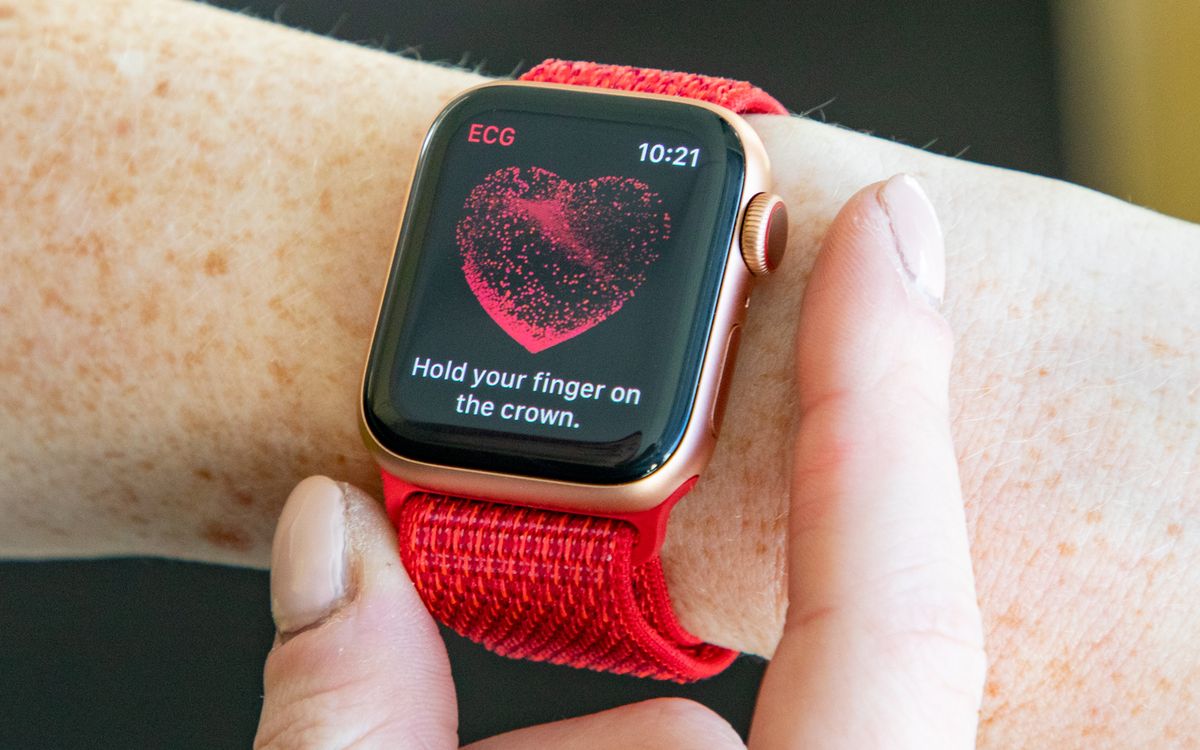
The Apple Watch Series 7 offers the best combination of style, message handling, activity tracking, app selection, and battery life of any smartwatch for any platform. It comes in two body sizes—41 mm and 45 mm—that offer more active screen area than on previous Apple Watches in similarly sized bodies. It's a little faster at running apps than the Apple Watch SE, and noticeably faster than the still-available Apple Watch Series 3. And it includes more premium features than previous models, such as an always-on display, blood oxygen measurement, ECG, more crack-resistant glass, and faster charging. It's also available in more expensive steel and titanium casings. Of all the smartwatches we've tested—for both iPhone and Android—the Apple Watch Series 7 represents the best overall package.
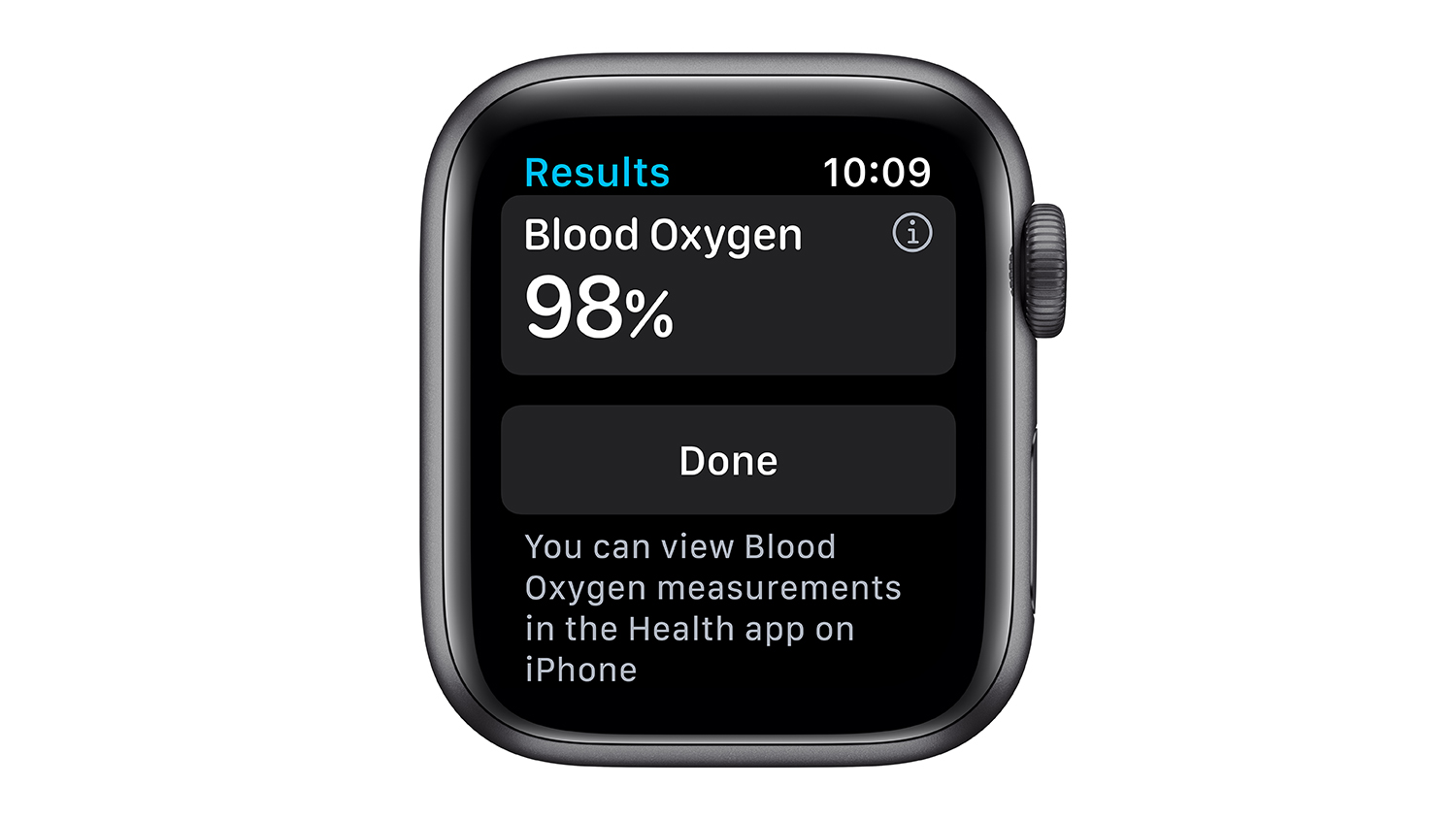
It does all the Apple Watch-y things most people probably want just as well as, or better than, any other Apple Watch, including fitness tracking, messaging, and apps. The Series 7's screens offer much more viewable area thanks to slightly larger casings and narrower borders, and the always-on screen means you don't have to lift your arm to check the time or status of your apps. It also has the most complete suite of health tracking tools, including blood oxygen monitoring and ECG, as well as faster charging and more crack-resistant glass.

The Apple Watch Series 7 is a great first smartwatch, and it's a solid upgrade if you have an Apple Watch Series 3 or older. If you own a Series 4, 5, or 6 that's still working well though, the Series 7 features won't feel like much of an upgrade. Apple Watch Series 6 is more than a regular smartwatch with features like ECG, blood oxygen calculations among others. Additionally, the brighter always-on display and the altimeter coupled with various other features make it one of the best devices for fitness enthusiasts. However, battery life and sleep tracking features could have been better.
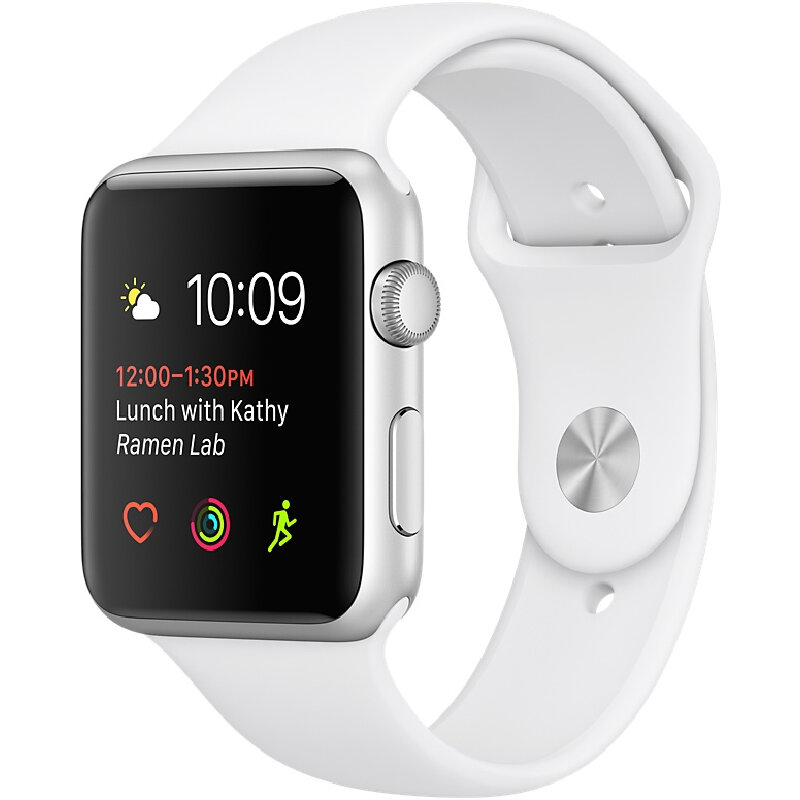
It certainly is the best smartwatch if you compare it with devices from rival companies. However, the feel that the flagship Series 6 competes with its predecessors and the latest Watch SE, which offers almost all features except important health features like ECG and blood oxygen reading. The Apple Watch Series 7 offers all-day battery life and faster charging than previous models. Apple promises up to 18 hours of use on a charge—enough for the Watch to get through each day when you charge it each night, or for it to track your sleep if you're willing to charge it for a bit during the day.

We've found that we can use the Apple Watch Series 7 just as we have previous generations, with plenty of power remaining at the end of the day. In one test, the battery was at 30% after about 13 hours of wear, including an hour of activity tracking and audio streaming over LTE. I regularly end the day with more than 50% remaining, even with the ambient screen active, heart rate monitoring, and all those pesky notifications flooding in. You can certainly get your watch battery to last between a day and two days on a single charge but that will depend on various app features and usage frequency. The battery can reach from 0% to 80% in about 1 hour and 100% in around 90 minutes. The ECG system has received clearance from the United States Food and Drug Administration, a first ever for a consumer device, and is supported by the American Heart Association.

This device can also detect falls and will automatically contact emergency services unless the user cancels the outgoing call. The microphone was moved to the opposite side between the side button and the digital crown to improve call quality. Other changes include the digital crown incorporating haptic feedback with the Apple Haptic Engine and includes the new Apple-designed W3 wireless chip. Force touch technology has been removed in Watch Series 6 and Watch SE. The watch also has a side button which can be used to display recently used apps and access Apple Pay, which is used for contactless payment. Apple rates the device's battery for 18 hours of mixed usage.
The watch then reverts to its original mode when recharged or after holding down the side button. Additional features include a new S6 processor that is up to 20% faster than the S4 and S5, a 2.5× brighter always-on display, and an always-on altimeter. The S6 incorporates an updated, third generation optical heart rate sensor and also enhanced telecommunication technology, including support for ultra-wideband via Apple's U1 chip, and the ability to connect to 5 GHz Wi-Fi networks. The Series 6 watch was updated with faster charging hardware such that it completes charging in ~1.5 hours.

Force Touch hardware was removed, consistent with the removal of all Force Touch functionality from watchOS 7. Series 2 introduces water resistance at a rating of 50 meters. It can keep track of the number of laps and distance during Swimming workouts.

During swimming, the touch function can be manually disabled with 'Underwater mode'. Once this is turned off, by rotating the Digital Crown continuously, it uses the speaker to expel residual water through a series of 10 vibrations. Most recently used apps now are saved in the background, so apps and information load faster. The Series 2 was sold in casings of anodized Aluminium, Stainless Steel and Ceramic. In comparison to other Apple products and competing smartwatches, marketing of the Apple Watch promoted the device as a fashion accessory.

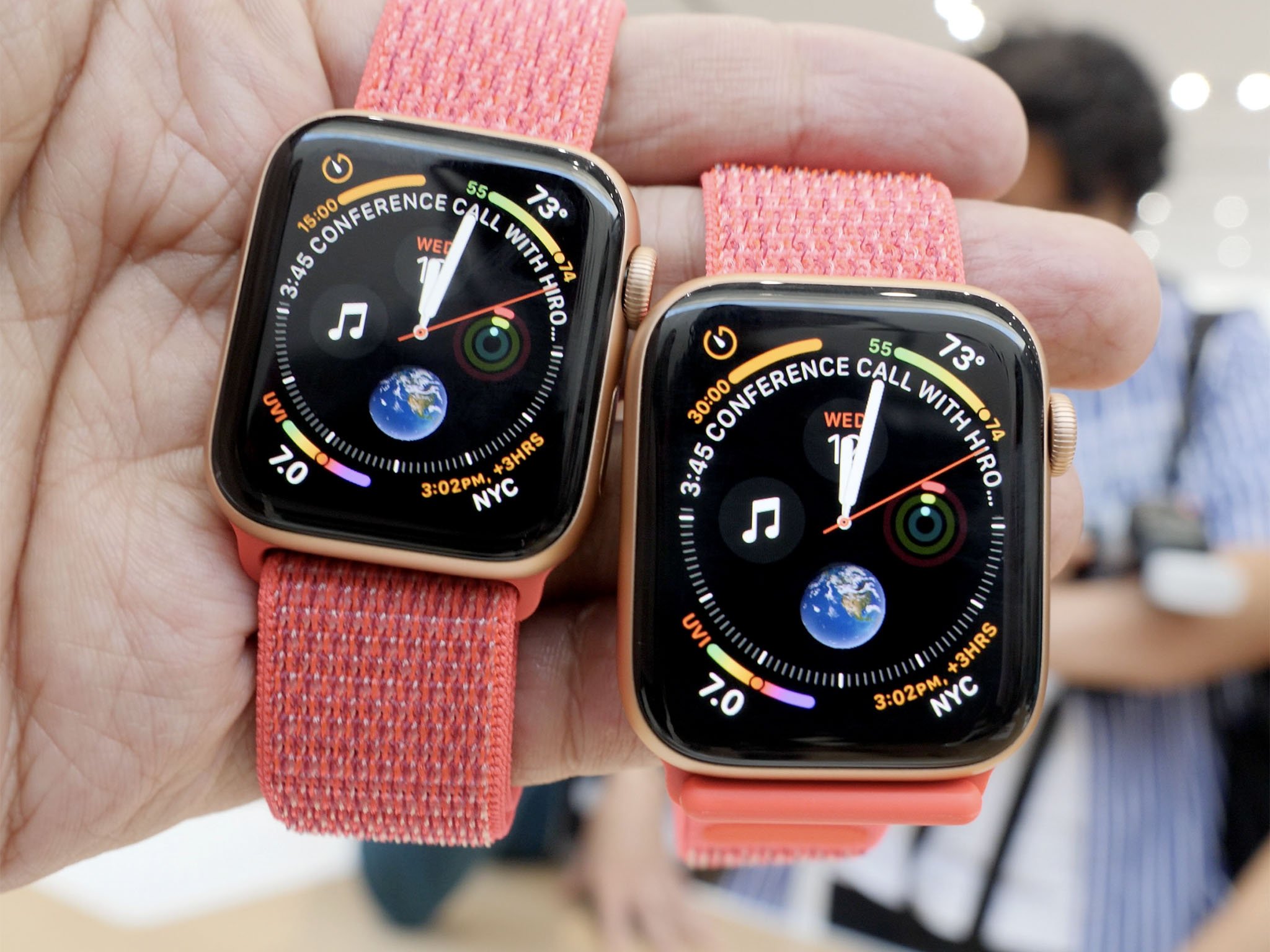
Apple later focused on its health and fitness-oriented features, in an effort to compete with dedicated activity trackers. The watchOS 3 added fitness tracking for wheelchair users, social sharing in the Activity app, and a Breathe app to facilitate mindfulness. The Apple Watch Series 7 is the first model to come in 41 mm and 45 mm sizes, a 1 mm height increase, respectively, over the small and large versions of the previous few generations. Combined, these elements make for a larger screen that offers an appreciable difference. We especially like that the bigger on-screen buttons are easier to tap.
The display also follows the glass's curved edges, but this is mainly noticeable on certain watch faces. Apple bases "all-day" battery life estimates on 90 time checks, 90 notifications, 45 minutes of app use, and a 60-minute workout with music playback via Bluetooth. For LTE models, Apple assumes four hours of LTE connection and 14 hours of connection to an iPhone. In some situations, the Apple Watch will drain faster, such as during calls or workouts.
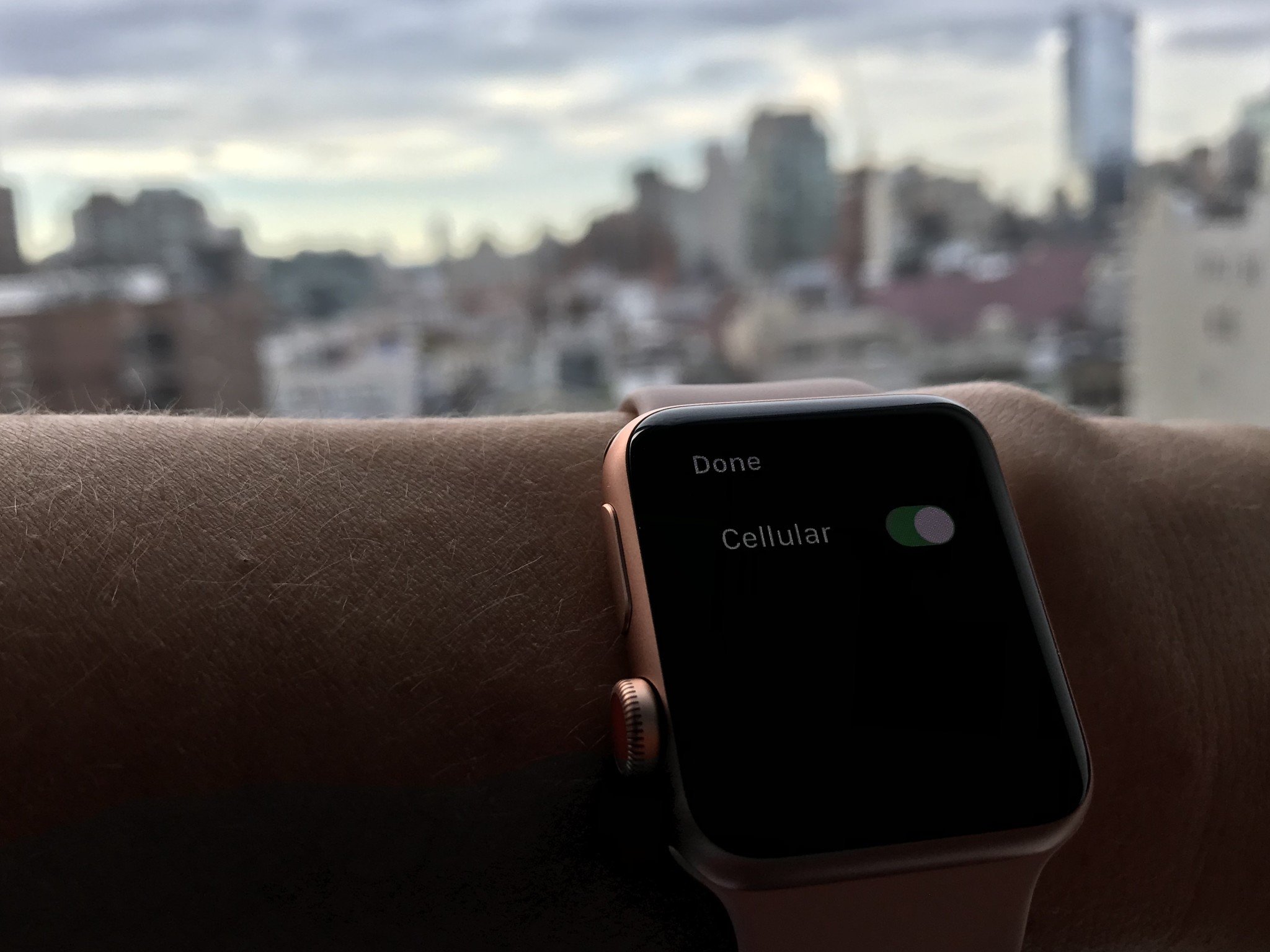
The latest smartwatch comes with a new processor, which is called S6 System-in-Package , which is 20% faster than the processor in the Watch 5. It also comes equipped with the W3 Apple wireless chip, which is the same as the previous watch, but features the U1 ultra-wideband chip, which Apple used in the iPhone 11 Pro. The smartwatch certainly feels faster and smoothly runs all the tasks be it navigating or opening apps. You might not get this smooth experience in any watch running Google Wear or the Galaxy smartwatches. Things like UI, design, usability and speed among others that make the smartwatch a perfect second screen to your phone, and the Apple Watch successfully manages to do that besides being a great health device.

As Apple does every year, it promised all-day battery life on the Series 6, and, as always, even with the introduction of new features, the company delivers. All day means about 18 hours to Apple, and in my experience—with workouts, sleep tracking, and moderate use—it could easily meet the 24-hour mark. The rest of Apple's comprehensive health and fitness-tracking features from previous generation Apple Watches return. The Series 6 will track many different sports and has long enough battery life to see most through a marathon. Note you can play music from Apple Music straight from the watch without your phone but not Spotify. WatchOS 3.0 was announced at WWDC 2016, with a priority on performance.

Users are able to keep apps running in memory as well as receive background updates and refreshed information. Other updates include a new Dock invoked with the side button to replace the performance-laden Glances, an updated Control Center, and new reply options on Messages. Several new watch faces have also been added, including Minnie Mouse, along with the ability to switch watch faces from the lock screen simply by swiping. A new app called Breathe guides users through breathing exercises throughout the day, with visuals and haptic feedback. The first difference is the upgraded dual-core S6 chip based on the A13 Bionic processor used in the iPhone 11.
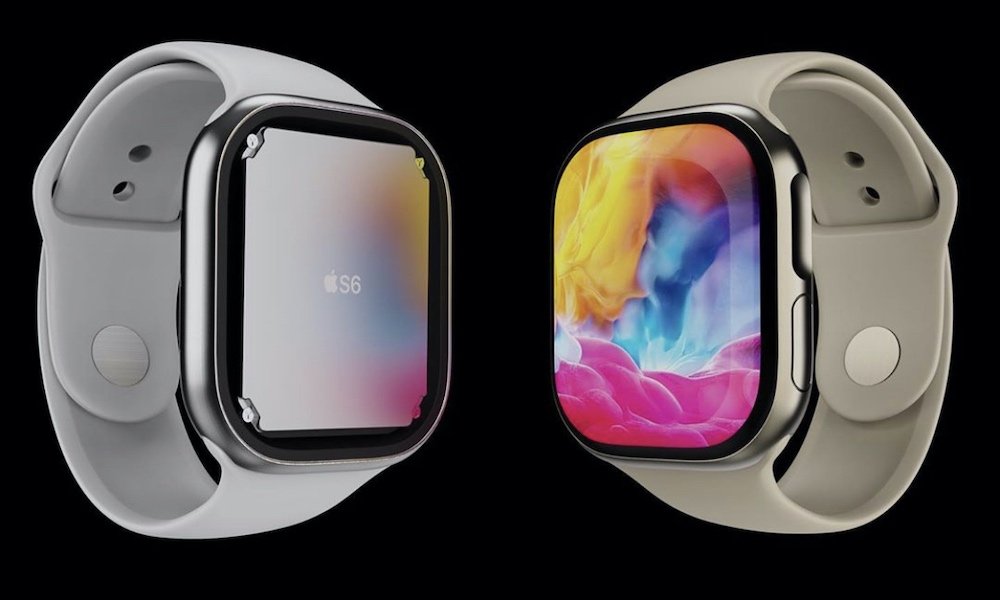
According to Apple, the new S6 chip is up to 20% faster than the S5 in the Series 5 Apple Watch, and it's definitely faster than my Series 3. While I never really felt the Series 3 was slow, the Series 6 feels much snappier. The Series 6 also offers the same 18-hour battery life as the Series 5. Coming from the Series 3 (which did not have an always-on display), I actually feel that the battery life is a little shorter than my old watch. But I'll happily trade a little bit of battery for that always-on display.

The Series 6 also gives you fast charging, allowing you to charge to 80% in about one hour and a full charge in 1.5 hours. So while the battery may not last any longer, the time you spend charging your Apple Watch is actually less. And the always-on display is 2.5 also times brighter than the Series 5, making it much easier to see outside in direct sunlight. Check apple.com/ca/watch/cellular for participating wireless carriers and eligibility.

See support.apple.com/en-us/HT for additional setup instructions. Seesupport.apple.com/en-ca/HT for additional setup instructions. See support.apple.com/en-ca/HT for additional setup instructions. Charging a watch every night isn't much of a hassle at home, where you're likely charging your phone, too.
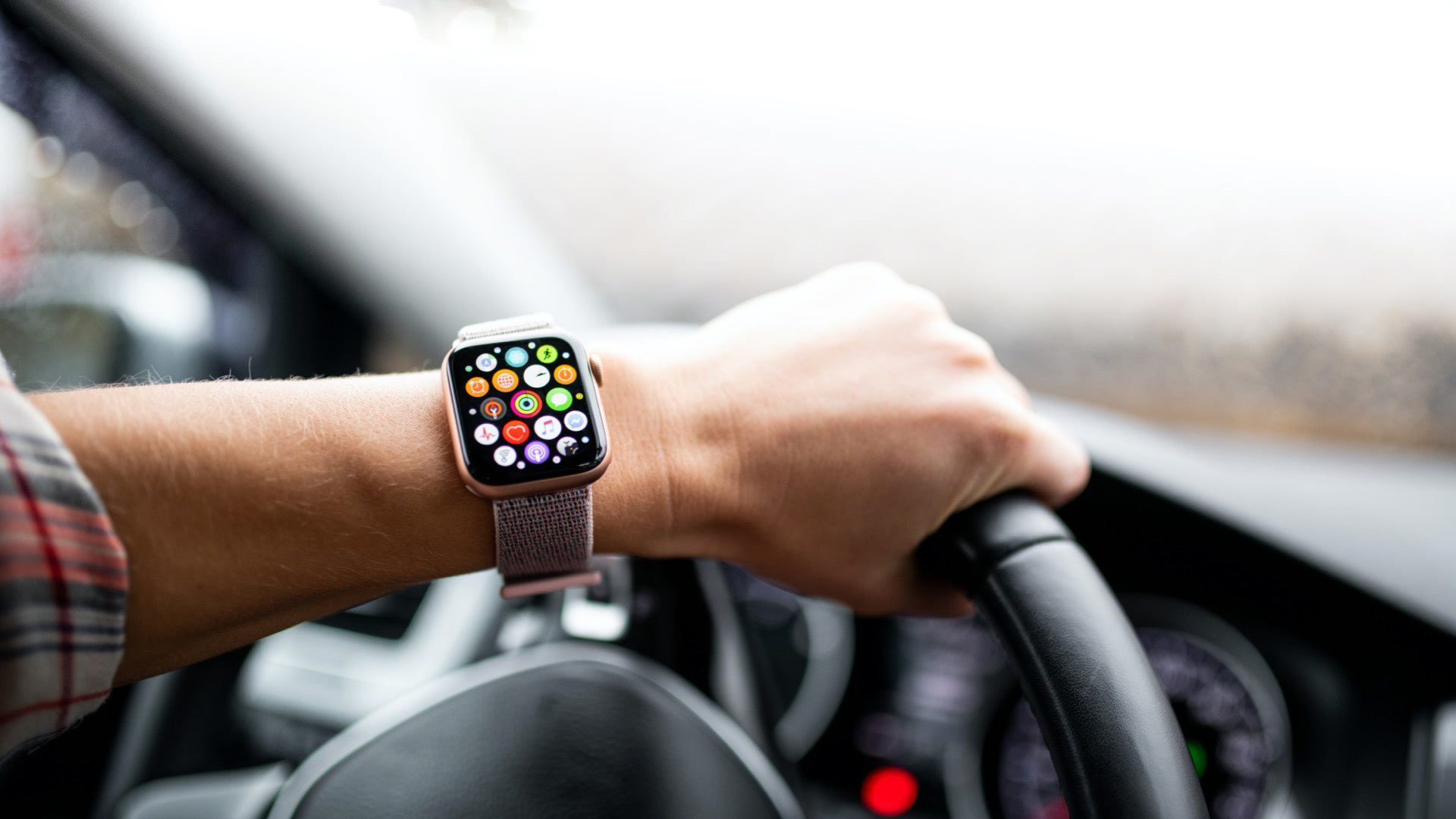
We have some recommendations for great charging accessories, including three-in-one wireless charging stations for your Apple Watch, iPhone, and AirPods. Apple doesn't provide capacity specs, but the Series 7 Apple Watch has the same 18-hour battery life as prior models. That's enough to get you through the day, but if you want to do sleep tracking, you're going to have to charge the watch. There are some tradeoffs with the Apple Watch Series 3 because it is a much older model, such as a smaller display, an older chipset, and the lack of a compass, fall detection, ECG, and blood oxygen monitoring.

Check apple.com/lae/watch/cellular for participating wireless carriers and eligibility. See support.apple.com/en-lamr/HT for additional setup instructions. It's also packed with the same fitness tracking features as its more expensive sibling, but lacks some of the more advanced health features like low or irregular heart rate detection and blood oxygen saturation measurements. It also keeps the price low by using a different processor, and there's no "Always-on" function for the screen.

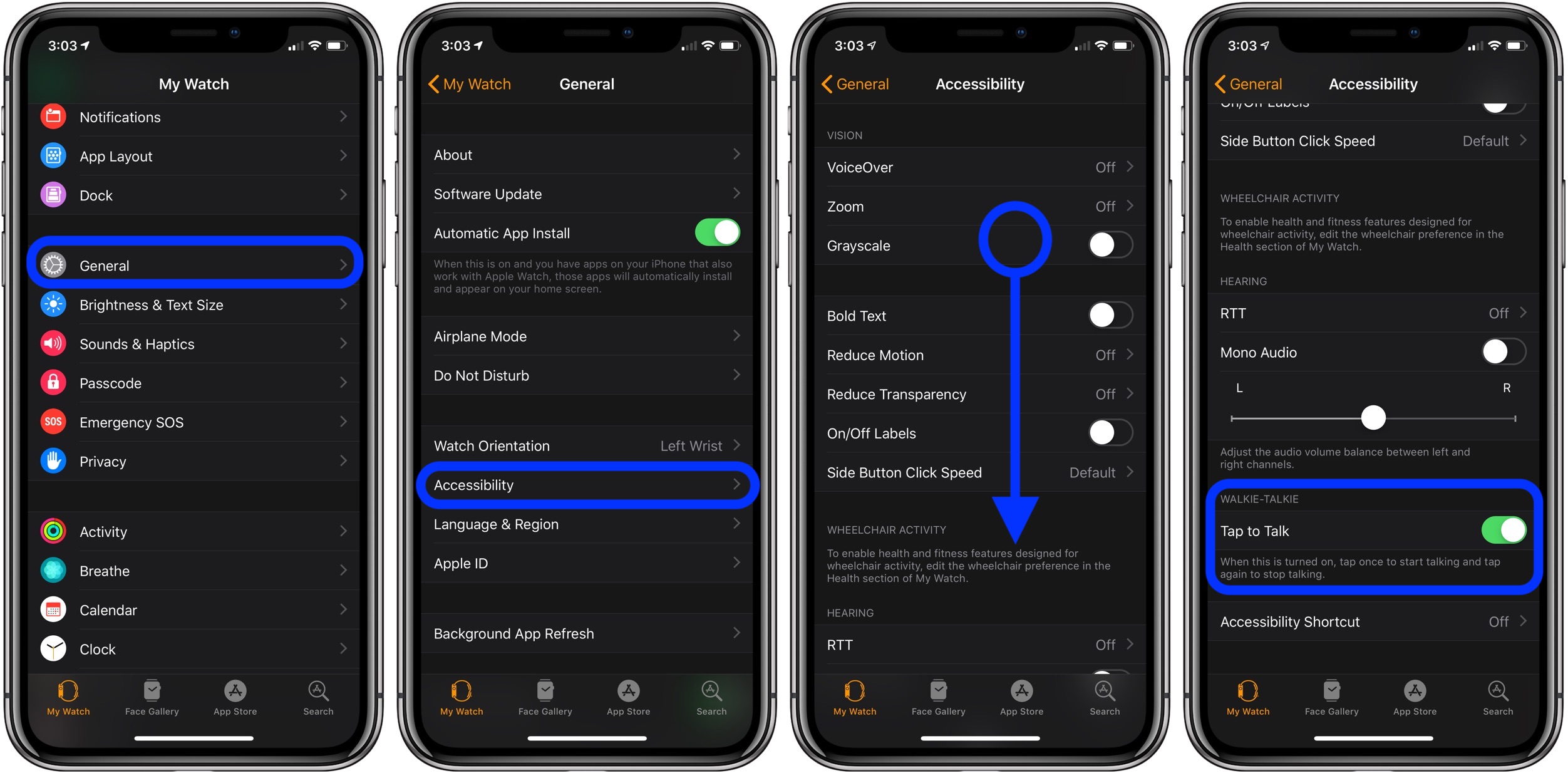
Apple Watch tells you the number of hours you slept and your heart rate throughout the night. After testing this native feature, we feel that Apple needs to give us more details about our sleeping patterns as the watchOS 7's sleep tracking reports are also less detailed compared to other watches. Apple introduces Family Setup in watchOS 72, bringing the communication, health, fitness, and safety features of Apple Watch to kids and older family members of the household who do not have iPhone. Kids and older family members using Family Setup will have their own phone number when they activate a line on T-Mobile's Apple Watch eligible plans. Family Setup will be available with watchOS 7 and iOS 14, and requires cellular models of Apple Watch Series 4 or later or Apple Watch SE, paired with iPhone 6s or later. To be fair, the Apple Watch Series 5 also held those distinctions in its time.

You could argue the same going for annual releases farther back in the Apple Watch's history. But with the Series 6 addition of native sleep tracking and blood oxygen measurements to complement the already solid fitness foundation, there isn't much more you could ask for in a fitness tracker, or smartwatch, at this point. So, to sweeten the deal, Apple finally gave us some fun colors to keep our eyes from wandering. And at the company's recent fall event, Apple also introduced the less-expensive Apple Watch SE.

The 1st generation Apple Watch uses the single-core S1 system-on-chip. It does not have a built-in GPS chip, instead relying on a paired iPhone for location services. It uses a linear actuator called the "Taptic Engine" to provide haptic feedback when an alert or a notification is received, and is used for other purposes by certain apps.
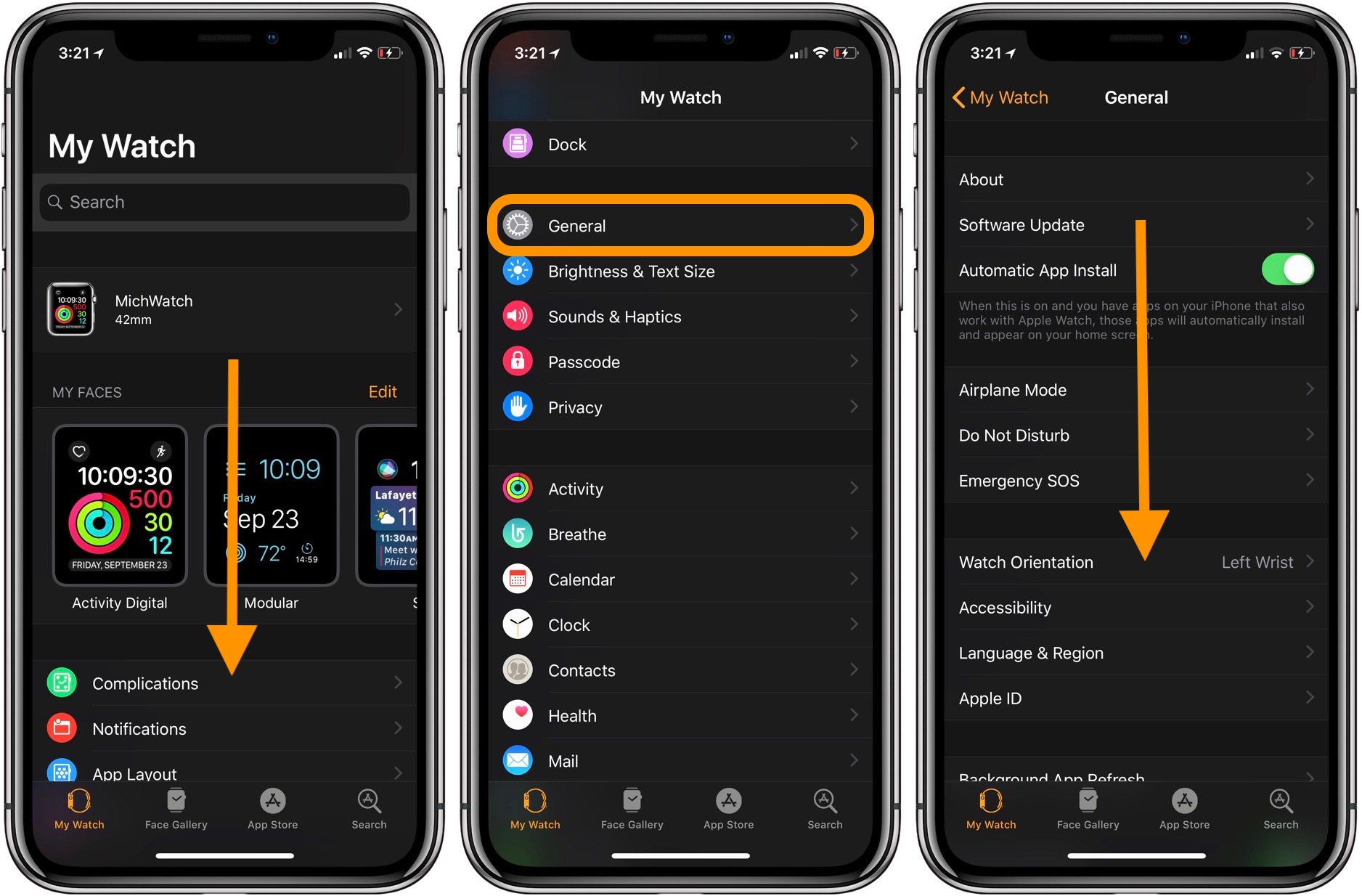
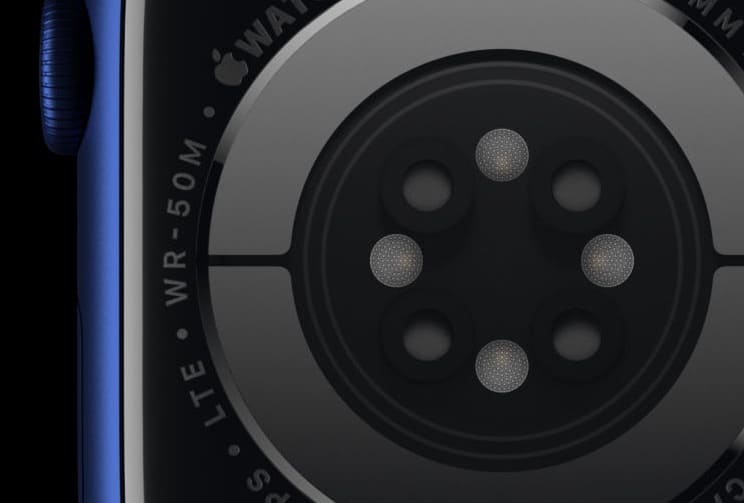
The watch is equipped with a built-in heart rate sensor, which uses both infrared and visible-light LEDs and photodiodes. All versions of the first-generation Apple Watch have 8 GB of storage; the operating system allows the user to store up to 2 GB of music and 75 MB of photos. When the Apple Watch is paired with an iPhone, all music on that iPhone is also available to be controlled and accessed from the Apple Watch. Software support for the first Apple Watch ended with watchOS 4.3.2. LTE-equipped models can connect to a mobile network, including for calling, texting, and installed mobile app data use, substantially reducing the need for an iPhone after initial setup. Although the paired iPhone need not be near the watch, to make a call with the watch, the paired iPhone must still be powered on and connected to a cellular network.

The oldest iPhone model that is compatible with any given Apple Watch depends on the version of system software installed on each device. As of September 2021, new Apple Watches come with watchOS 8 preinstalled and require an iPhone running iOS 15, which is available for the iPhone 6S and later. When I turn everything on—the brighter, always-on screen, sleep-tracking, blood oxygen tracking, the location-based hand washing reminders, two GPS-enabled workouts per day—the watch barely lasts a full day. In fact, since it needs 30 percent of the battery to track your sleep, I occasionally have to top it up before I go to bed. Not all features will be available if the Apple Watch is set up through Family Setup. At this point, we don't recommend the Apple Watch Series 3, which was introduced in 2017 and is still available new from Apple.

The smaller, squared-off display feels dated, and the Series 3 is notably slower at running apps than either the SE or the Series 6. And the storage space is so limited that you'll likely have to completely wipe and restore the Watch every time there's a major software update. If you're considering an Apple Watch for a kid or for a family member without an iPhone, there's a new feature called Family Setup. It's limited to Series 4 and newer Apple Watch models , and they have to be the cellular versions—which means you need to spend at least $330 on that Apple Watch. For most people, Family Setup makes sense only with a hand-me-down.
But if you do use it, you can limit apps and contacts, set a Schooltime mode for limited distractions, and check in on the wearer's whereabouts. Another Apple Watch alternative is the Samsung Galaxy Watch 3. Its features include sleep tracking, advanced workout tracking, an above-average battery life, and an ECG sensor to diagnose atrial fibrillation. The Series 6 has slightly faster charging — in my tests it was charging from zero to 100 percent in a little over two hours, while the Series 5 hit 80 percent. That's a fairly minor bump, but it is marginally useful since more people will be looking to charge it at in-between times so they can take advantage of the new sleep tracking features in watchOS 7.
Note that the altimeter can be inaccurate in some weather conditions. The Apple Watch Series 7 offers the same health monitoring features available with the Series 6. A built-in accelerometer and gyroscope enable other important health-related features such as fall detection. Keeping the Covid-19 pandemic in mind, Apple has added the hand wash feature, Automatic Hand Washing Detection, through the WatchOS 7.

The watch largely uses motion sensors and microphones to automatically detect handwashing motions and sound of running water, and starts the mode which lasts for 20 seconds. If you finish early, the screen prompts to keep washing your hands. The feature should make users adopt the habit to properly wash hands every time they come from outside or after the workout.
Initial reviews for the device have been generally positive with some caveats. Reviewers praised the watch's potential ability to integrate into everyday life and the overall design of the product, but noted issues of speed and price. Many reviewers described the watch as functional and convenient, while also noting failure to offer as much potential functionality as preceding smartphones. Farhad Manjoo of The New York Times mentioned the device's steep learning curve, stating it took him "three long, often confusing and frustrating days" to become accustomed to watchOS 1, but loved it thereafter.

Some reviewers also compared it to competing products, such as Android Wear devices, and claimed "The Smartwatch Finally Makes Sense". He concluded that there is no "killer application" so far besides telling the time, which is the basic function of a wristwatch anyhow. It introduced support for Nightstand mode in portrait orientation.




No comments:
Post a Comment
Note: Only a member of this blog may post a comment.